Practical steps toward cleaner material flows
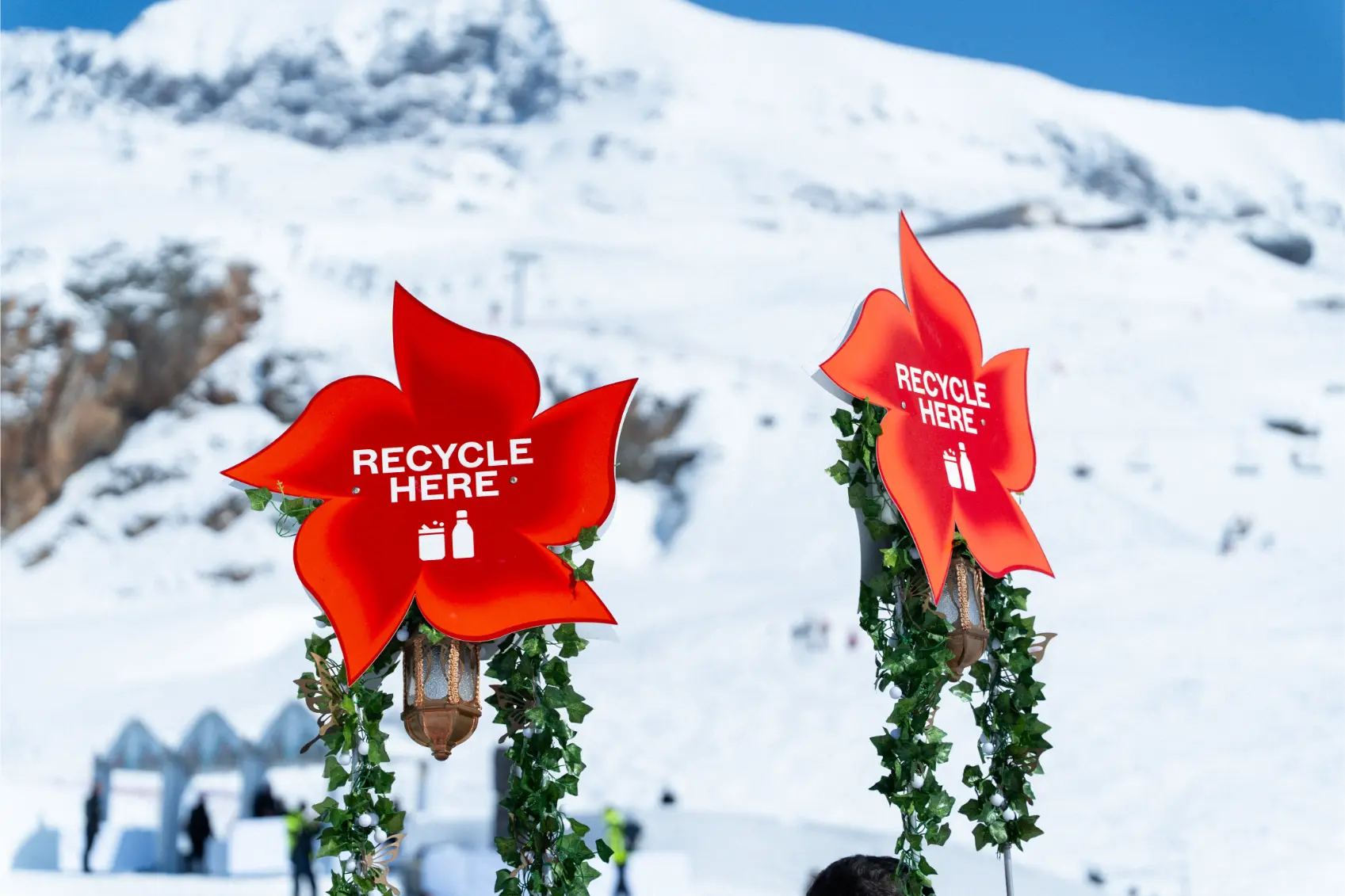
Reducing waste at large-scale events is rarely the result of a single solution. Progress is built through practical choices, tested systems, and close collaboration between organisers, partners, and regulators.
In partnership with Tomorrowland, Love Tomorrow supports initiatives that examine how festivals can reduce residual waste and improve the quality of material flows on-site.
Compostable plates as a step toward simpler waste streams
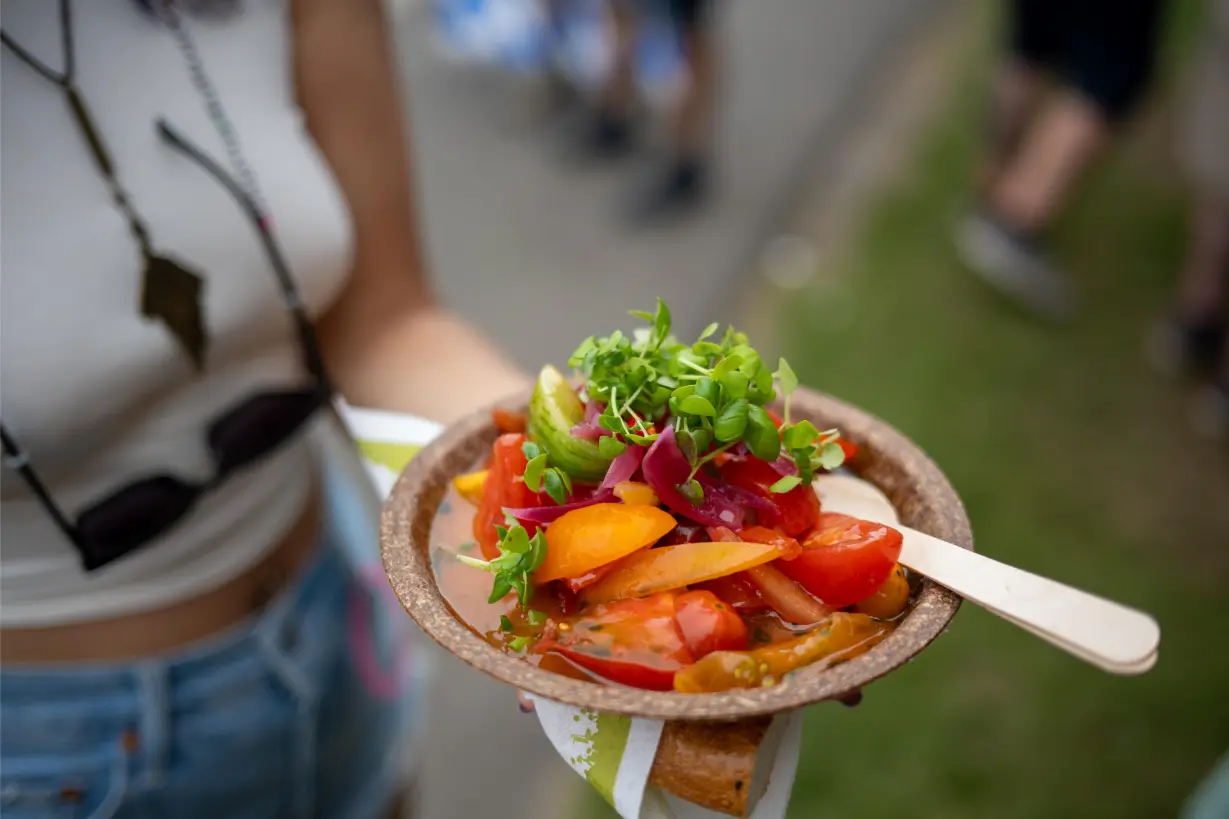
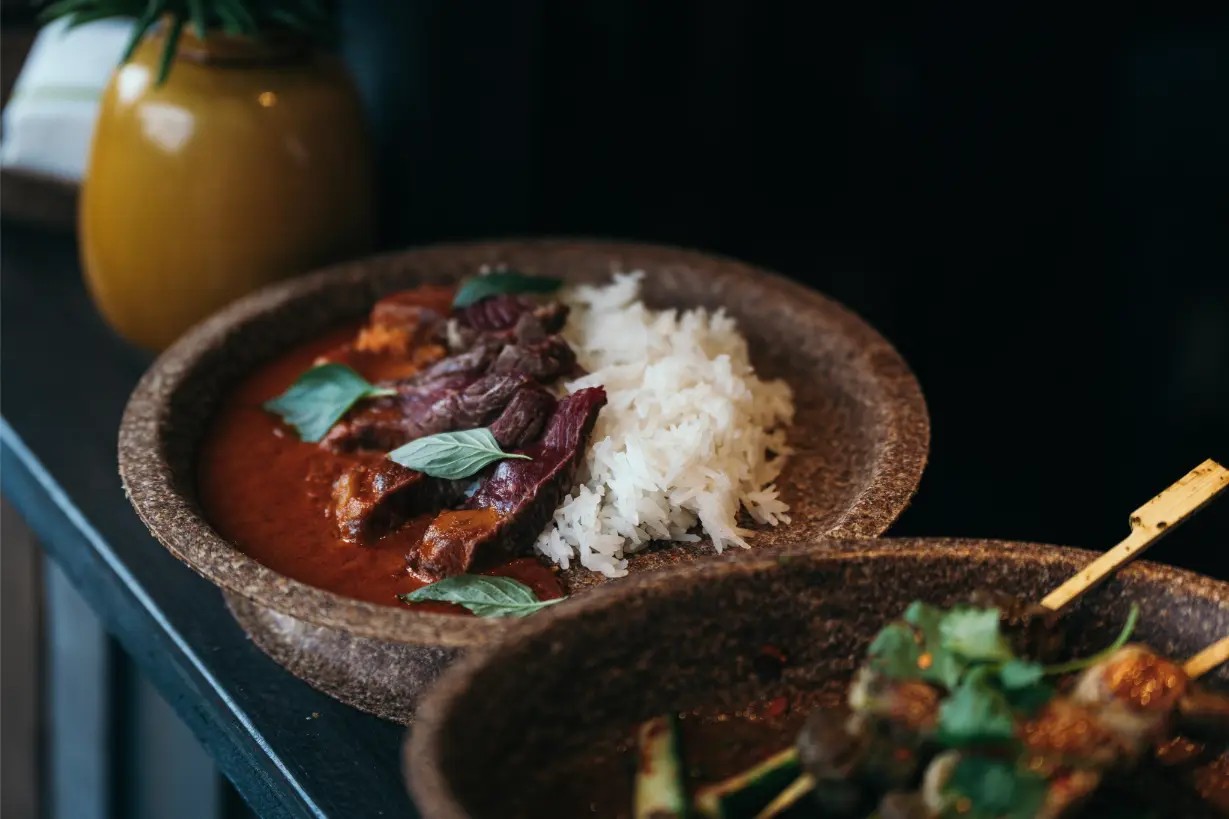
In 2023, an additional measure was introduced: compostable plates made from wheat-based material. Compostable bamboo cutlery was already in use; plates followed as a next step in simplifying food-related waste and moving closer to a mono-material organic stream.
By aligning plates, cutlery, and food waste within the same system, the aim was to reduce contamination and make correct disposal easier at scale.
Making responsible behaviour the most straightforward option
When food is served on compostable plates and paired with compostable cutlery, visitors can dispose of leftovers and packaging together in one organic waste stream. This reduces sorting complexity on-site and lowers the risk of incorrect disposal caused by mixed materials.
The system is designed around a simple principle: the most responsible option should also be the easiest one.
Aligning innovation with regulation
Introducing compostable materials at festival scale requires careful coordination. At the time of implementation, legislation around compostable products in the events sector was still evolving.
Tomorrowland worked closely with OVAM, the Public Waste Agency of Flanders, to ensure the approach aligned with regulatory frameworks and could function as a reference for other large-scale events.
To assess whether the system worked as intended, Seavents analysed the organic waste stream across both festival weekends. Manual sampling and sorting of GFT waste showed that approximately 90 percent of the collected material was correctly sorted and suitable for processing.
The analysis indicated a significant reduction in contamination compared to systems where multiple materials are combined.
Returning nutrients to the land
The final stage takes place on-site. Organic waste is processed into compost and returned to the soil of De Schorre, the park that hosts Tomorrowland each year.
This approach is not presented as a final solution, but as a practical example of how operational decisions at festivals can support circular processes, improve material recovery, and reduce reliance on residual waste.
.webp)
.webp)