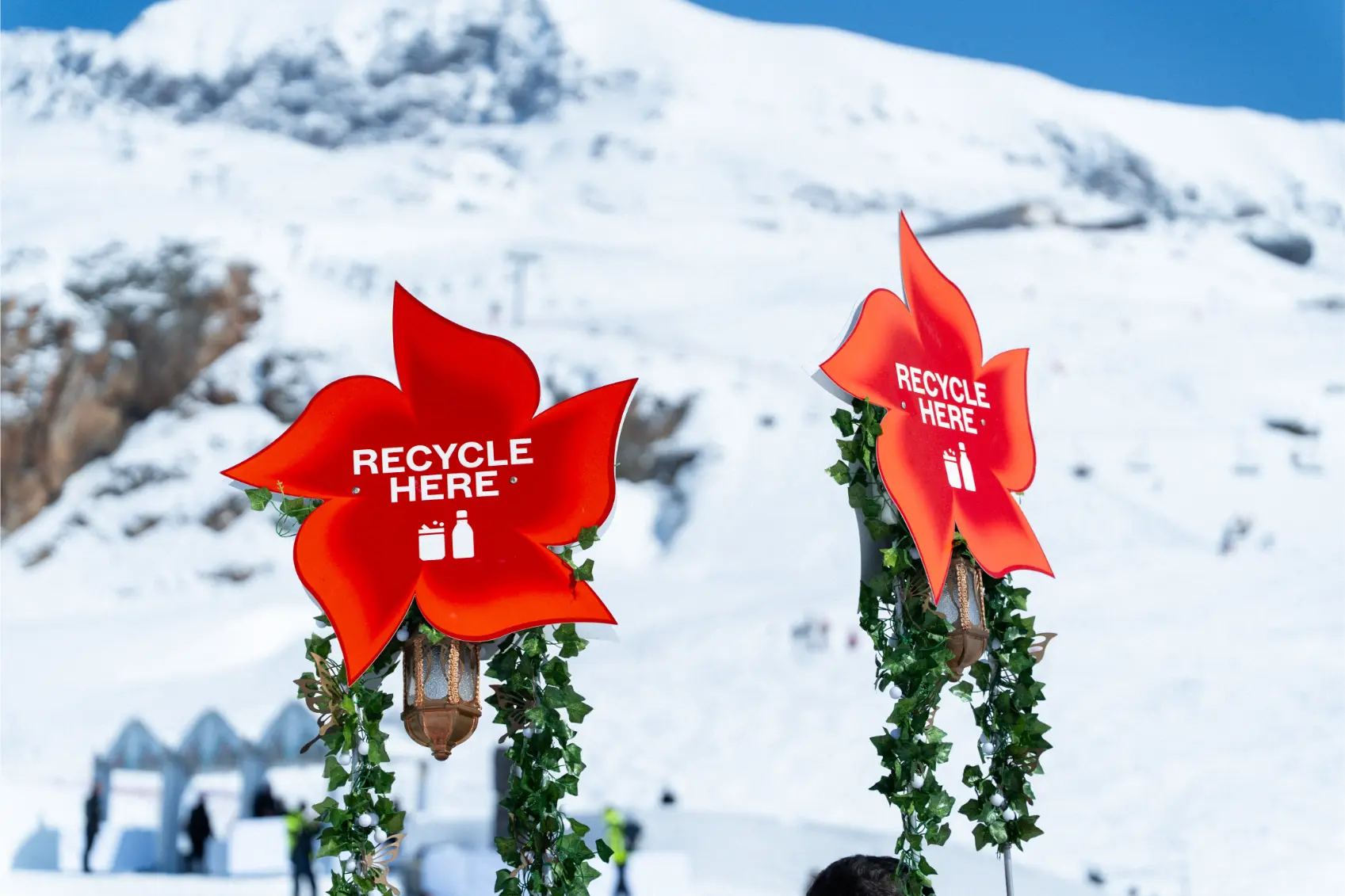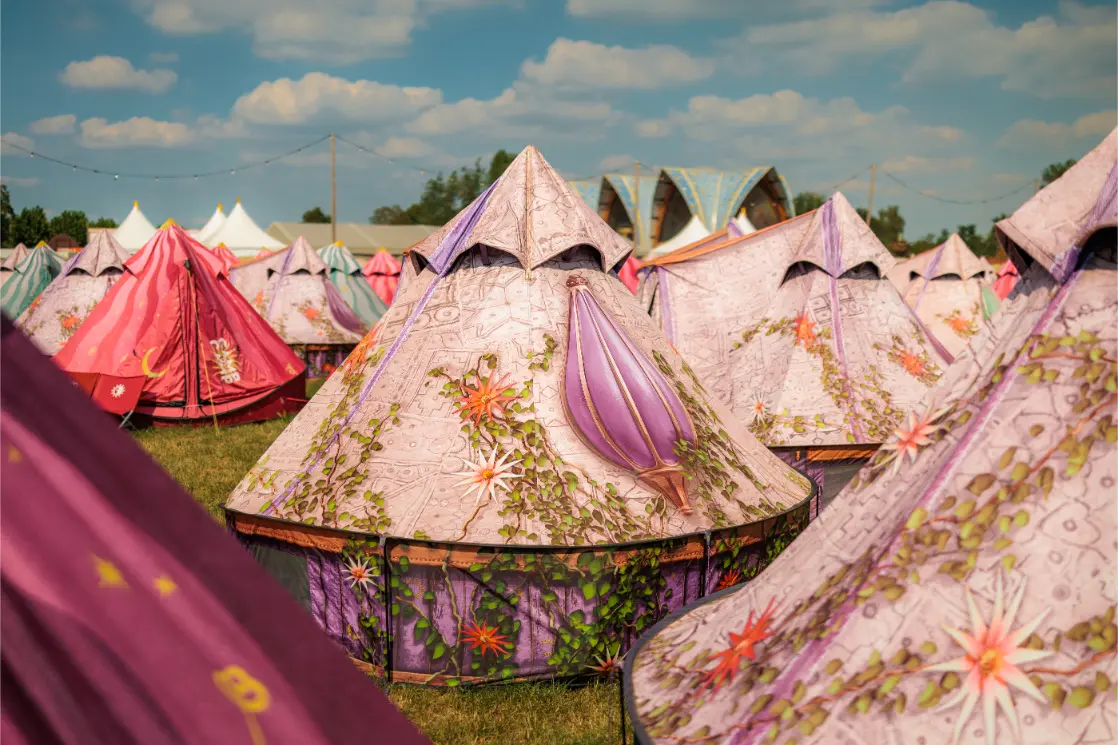
Every year, when the last beats fade over DreamVille and tens of thousands of Tomorrowland campers pack up and head home, something stays behind. Tents, sleeping bags, air mattresses, camping chairs. Some forgotten, some abandoned on purpose, some simply too bulky to carry back on a packed shuttle bus. Camp2Camp exists to make sure that doesn't go to waste.
What Is Camp2Camp?
Camp2Camp is a circular economy initiative that collects, cleans, repairs and redistributes camping gear left behind at Tomorrowland's DreamVille campsite. Abandoned equipment is either rented out to future festival-goers, donated to homeless and refugee organisations, or upcycled into new products. The initiative runs in partnership with De Kringwinkel Ecoso, a Belgian social enterprise that creates employment for people facing barriers to the labour market.
It started in 2016, initially focused on DreamVille, Tomorrowland's iconic camping village. By 2017, the initiative had expanded to cover the full breadth of Magnificent Greens and the Easy Tents zone. What began as a modest collection effort has since grown into one of the most widely cited examples of circular practice in Europe's festival sector, recognised by Interreg Europe, RREUSE and Vlaanderen Circulair.
Ecoso's role is central. As part of the De Kringwinkel network, Europe's largest social franchise for reuse, spanning 30 enterprises across Flanders with more than 150 second-hand shops, Ecoso brings both logistical expertise and a clear social mission. Around 80% of its workforce consists of people facing barriers to the regular labour market: long-term unemployed individuals, youth, and asylum seekers. Camp2Camp is, in that sense, not just an environmental project. It is a jobs programme too.
How the Collection Works
The collection operation at Tomorrowland is a coordinated effort involving several groups working in parallel: volunteers connected to Camp2Camp itself (roughly 100 individuals in total, with about half joining on the two Monday collection days), volunteers from homeless and refugee organisations who receive sleeping bags as a direct return for their help, and part of the festival's own Recycle Teams.
What can't be reused gets upcycled. Tents become bags, mosquito nets, rain ponchos and bicycle seat covers. The great majority of what enters the system finds a new use.
Rental: Bringing Gear In Before It Can Be Left Behind
Beyond collection, Camp2Camp has developed a rental model that tackles the problem upstream: if festival-goers arrive with gear they've rented rather than bought, the incentive to leave it behind disappears.
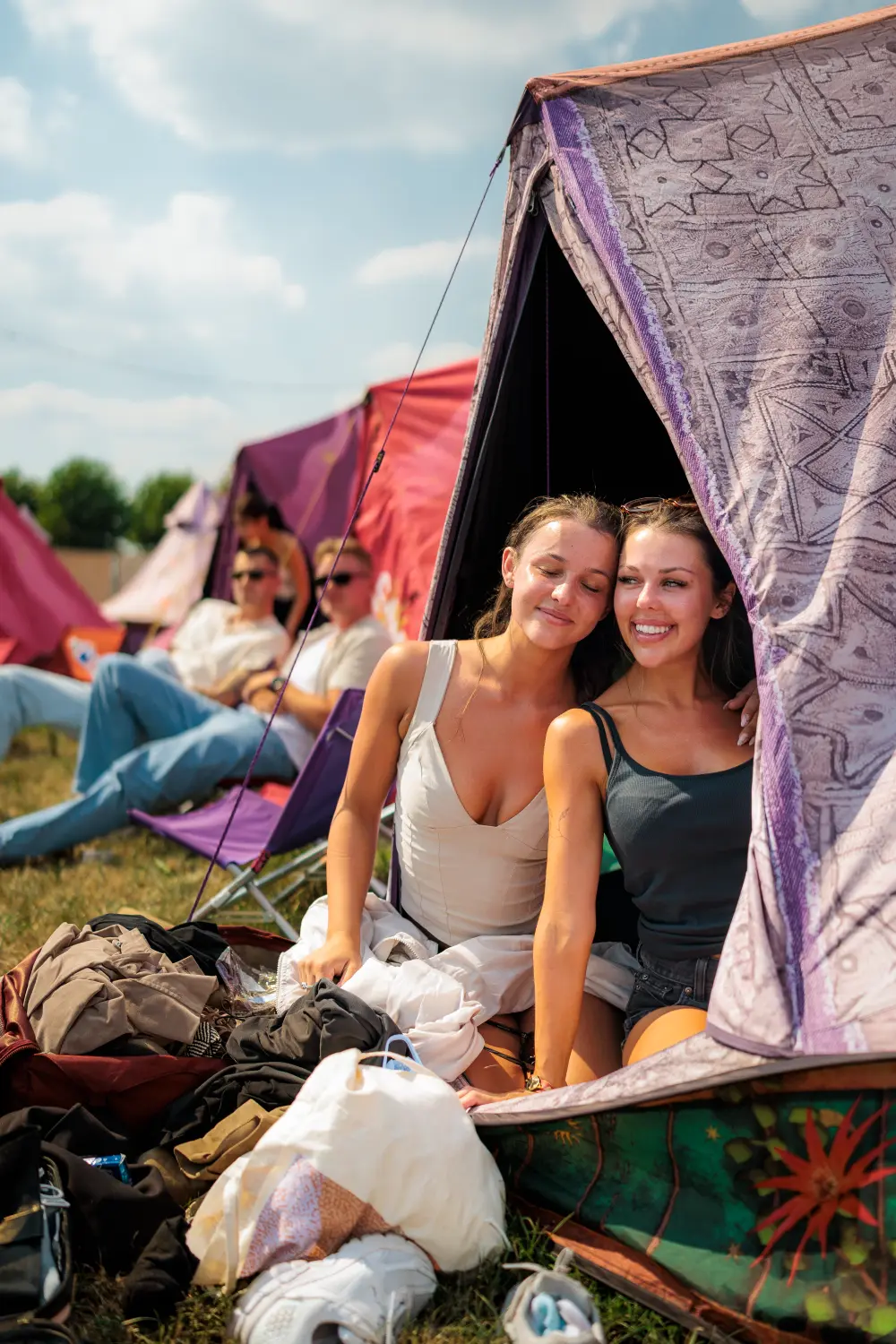
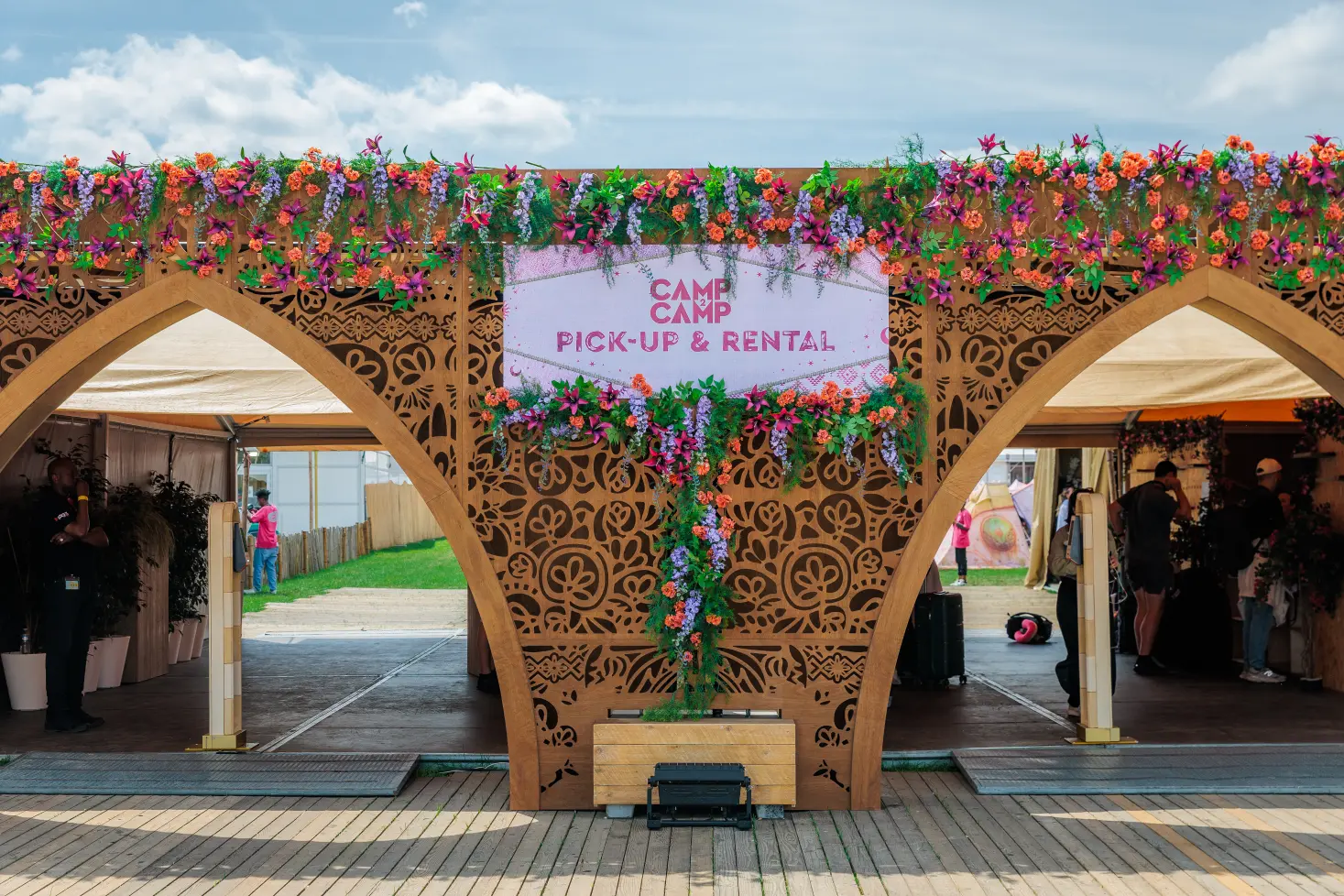
In 2025, Camp2Camp reached approximately 4,100 DreamVille visitors across two festival weekends through three rental channels: pre-pitched two-person tents, pick-up packages (single and two-person), and items available for on-the-spot rental. The core principle is simple — the more gear people rent before the festival, the less gets left behind when it's over.
Broader Impact
Camp2Camp has been recognised well beyond the festival world. It has been cited as a good practice by Interreg Europe, featured by RREUSE (the European network for reuse and repair), and profiled by Vlaanderen Circulair as a leading example of the circular economy in practice.
The initiative directly benefits homeless individuals and refugees. Sleeping bags collected at DreamVille end up with people sleeping rough. Non-profit organisations and schools can rent tents and gear for outdoor programmes. And the employment created through Ecoso offers meaningful work to people who face real barriers to finding it elsewhere.
In 2020, the broader model evolved into The Value Factory, a non-profit that formalised the reuse and upcycling component of the work, evidence that what started as a festival side project has matured into something with a life well beyond the music.
In 2024, The Value Factory further demonstrated the depth of that social mission: nine young people received student jobs through the programme, while 28 apprentices and volunteers, including individuals from underprivileged backgrounds and asylum seekers, gained hands-on experience working with Tomorrowland.

.webp)
.webp)