There is a question that sounds simple until you sit with it: what do you actually see when you study an animal?
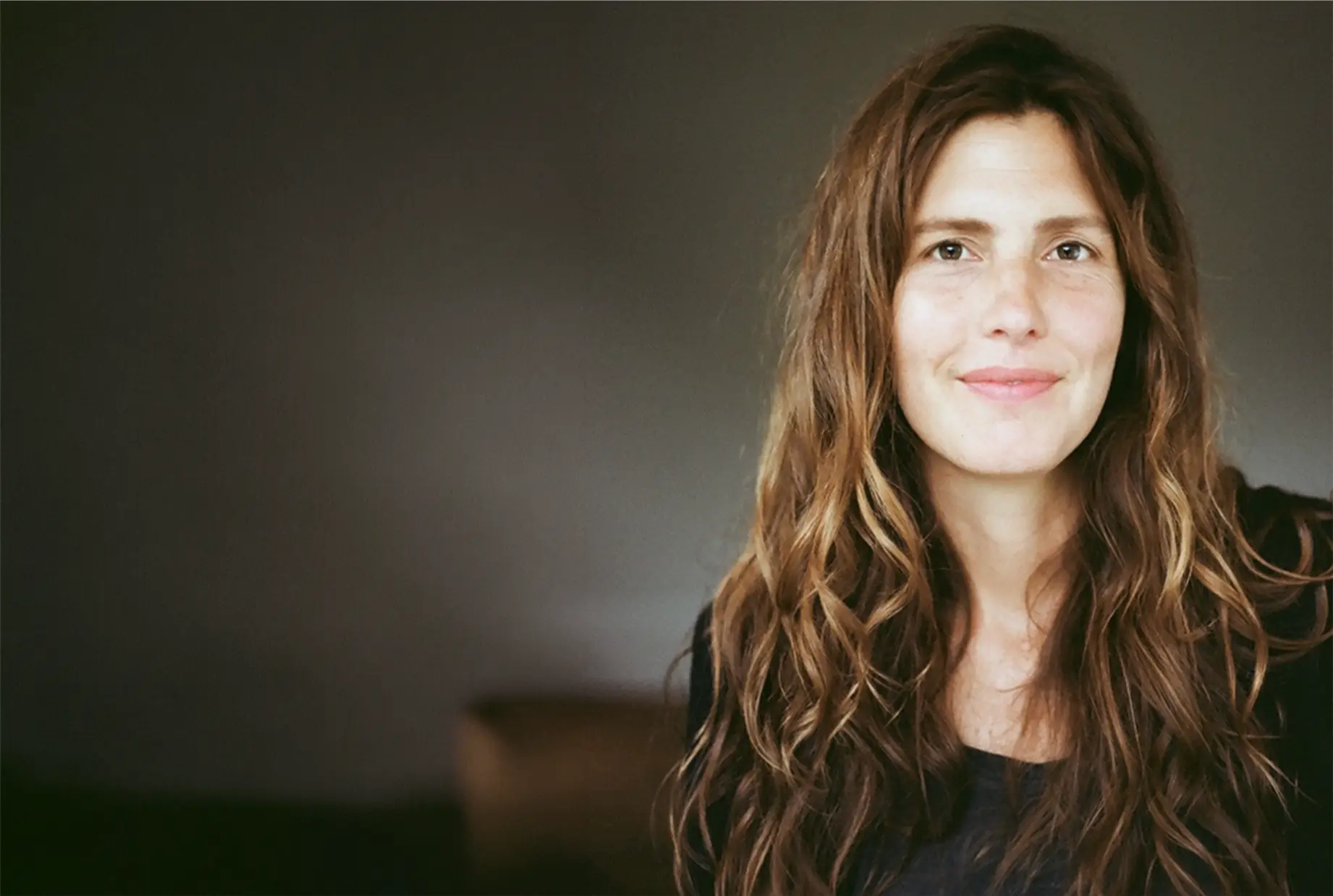
Dr. Christine Webb, Assistant Professor in the Department of Environmental Studies at New York University, has spent years in the field asking it. Her research focuses on nonhuman primates — baboons — and the complex social dynamics that govern their lives. She studies how they manage disruption, what emotional and motivational states underlie those responses, and how culture shapes behaviour across generations.
But the deeper she went into this work, the more another question emerged. Not just what animals do — but what the science of animals assumes. And those assumptions, she argues, reveal something troubling about the minds doing the observing.
Who Studies the Observers?
The discipline of animal behaviour has long positioned itself as objective. Rigorous. Scientific. What Webb’s research forces into view is that no science is conducted from outside of culture — and the culture that has shaped how humans study the natural world carries a very specific ideology embedded within it.
That ideology is human exceptionalism: the deep, often unexamined belief that humans are not merely different from other species, but fundamentally superior to them. Separate from them. Operating by different rules.
It sounds like a philosophical position. In practice, Webb argues, it functions as a methodological one. It shapes what researchers choose to study. What they consider worth measuring. What questions they think to ask. And what they have, for generations, failed to see.
The Arrogant Ape
Her book, The Arrogant Ape, gives this argument its fullest form. The title is not accidental. It is a provocation, directed not at animals, but at us.
The book examines how the ideology of human superiority has distorted scientific understanding of the more-than-human world. It is not a work of sentiment; it is a work of rigorous critique — examining the frameworks and assumptions embedded in how scientific knowledge about animals has been produced, and what those assumptions have cost both science and the species it claims to understand.
It is not a comfortable read. It is a necessary one.
What Changes When We See Clearly
When human exceptionalism is removed from the frame, or at least interrogated, the picture shifts.
Animals are not, it turns out, the blank-slate, stimulus-response entities that older scientific models preferred. They have social lives of genuine complexity. Emotional states that influence behaviour. Cultural knowledge: patterns of doing things that are learned and transmitted across generations, not encoded by instinct.
Webb’s fieldwork with baboons has documented this in detail. Social disruptions are managed with nuance. Relationships are navigated with something that looks, under careful study, like care. The dynamics are not simple. And understanding them requires a framework that does not begin by placing the human observer at the centre of the story.
Recognising this is not sentimentality. It is better science.
Why Dr. Christine Webb Comes to Love Tomorrow Summit
Love Tomorrow Summit 2026 is built around the theme: The Future of Intelligence. That theme is deliberately broad. Intelligence, the Summit argues, is not reducible to artificial systems — it is a multidimensional capacity, spanning the technological, the natural, the collective, and the inner.
Webb belongs in this conversation because she addresses something rarely discussed in debates about intelligence: the intelligence we have been missing. The social complexity of other species. The knowledge systems we have overlooked because we assumed there was nothing sophisticated enough to be worth finding. And the cost of that assumption — not just to animal ethics and conservation, but to how we understand the planet we share.
As the ecological crisis deepens, understanding humanity’s place among other species is no longer an abstract philosophical question. It has consequences. Webb’s work is one of the clearest arguments available for why the way we think about animals needs to change — and for what better thinking could make possible.
She joins Love Tomorrow Summit on 23 July 2026 at Tomorrowland’s iconic grounds in Boom, Belgium, alongside 80+ speakers, artists, and thinkers exploring what intelligence asks of all of us.
Love Tomorrow Summit — 23 July 2026 — Tomorrowland, Boom, Belgium. Tickets at https://www.lovetomorrow.com/love-tomorrow-summit/tickets
.webp)
.webp)