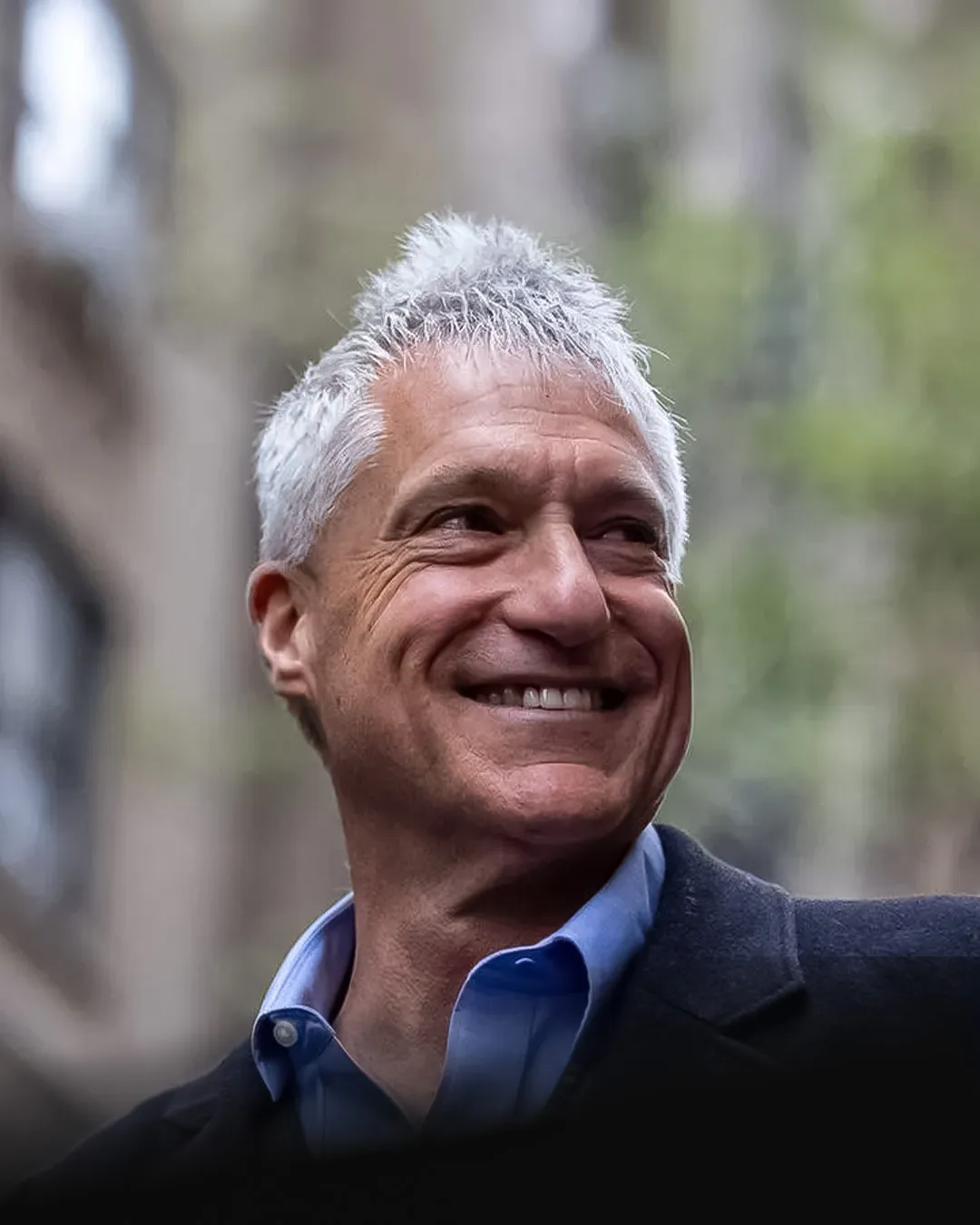
There is a question worth sitting with: when a corporation loses a landmark environmental case, what is the most rational thing it can do? Appeal? Pay the judgment? Or go after the lawyer who beat them?
In 2013, Chevron lost. The judgment: $9.5 billion, in favour of 30,000 Indigenous and farming communities in Ecuador's Amazon whose land, water, and health had been devastated by decades of oil contamination. It was one of the largest environmental judgments in history. The lawyer who helped secure it was Steven Donziger.
What followed is a story about power. About who gets to use the legal system, and against whom. And about what it costs to stand on the right side of a case when the wrong side has unlimited resources.
The Amazon Chernobyl
For decades, Texaco (later acquired by Chevron) operated oil fields in Ecuador's Amazon rainforest. What it left behind was catastrophic: open waste pits, contaminated rivers, devastated ecosystems, and communities facing elevated cancer rates, birth defects, and early deaths that scientists and residents connected to the contamination. The site became known as the Amazon Chernobyl.
Donziger, a Harvard-trained human rights lawyer, spent years building the case, representing over 30,000 Indigenous people and farmers who had lived with the consequences of decisions made in corporate boardrooms thousands of miles away. In 2011, an Ecuadorian court ruled in their favour. The judgment was later upheld and expanded to $9.5 billion. It was a historic win.
Chevron did not pay. Instead, it pulled its assets out of Ecuador and launched what became one of the most aggressive legal counter-offensives in corporate history.
Chevron's Response
The company filed a $60 billion civil RICO lawsuit against Donziger in New York, the civil equivalent of accusing him of organised crime. Then, in an unprecedented move, a Chevron law firm was permitted to prosecute Donziger for contempt of court. It was the first time in American history that a corporation had criminally prosecuted a private individual. let alone the opposing counsel in a case the corporation had lost.
Donziger's law licence was revoked without a hearing. His bank accounts were frozen. His passport was taken. The legal resources deployed against him were, by any measure, extraordinary.
The charge: misdemeanour contempt of court. The maximum sentence: six months.
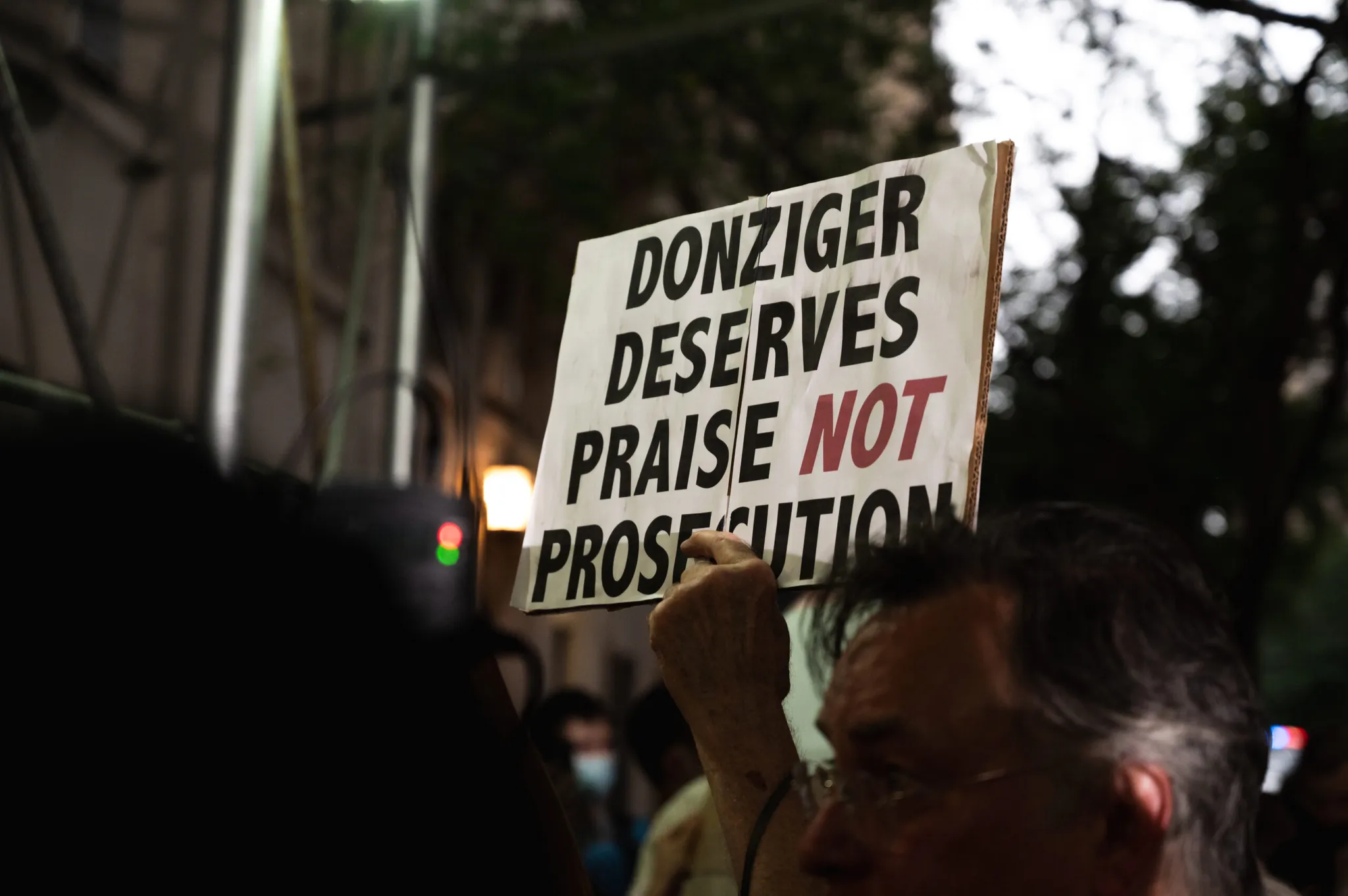
Nearly 1,000 Days
What followed was nearly three years of detention. First under house arrest, then in federal prison. Donziger spent more than 800 days detained before sentencing, and ultimately served a total of 993 days, more than four times the maximum sentence for the offence he was charged with.
The international response was significant. Sixty-eight Nobel Prize winners signed a letter demanding his release. Thirty-four members of the United States Congress called for a pardon. The United Nations Working Group on Arbitrary Detention issued an opinion that his detention was arbitrary and in violation of international law. Amnesty International declared him a prisoner of conscience.
Donziger was eventually released in 2022. He has not stopped talking.
What This Case Reveals
Donziger's story is not simply about one lawyer and one corporation. It is about a mechanism, increasingly deployed by well-resourced corporations against lawyers, activists, and journalists who challenge them.
The mechanism is called a SLAPP: a Strategic Lawsuit Against Public Participation. The purpose is rarely to win in court. It is to create enough legal cost, reputational damage, and personal burden that the target is silenced or destroyed before any verdict arrives.
What Chevron demonstrated is that this strategy, applied with sufficient resources, can go further than financial pressure. It can reach into the criminal justice system itself.
Understanding this, how power weaponises legal structures and what accountability genuinely requires, is part of what it means to reckon honestly with the future: the future of corporations, of climate, of the law, and of the planet.
Why Steven Donziger Comes to Love Tomorrow Summit
Love Tomorrow Summit 2026 is built around the theme: The Future of Intelligence. That theme encompasses more than artificial systems. It is about how humanity thinks, decides, and acts. About where wisdom is located, who holds it, and what it costs to use it.
Donziger belongs in this conversation because he has lived the question of accountability at its most extreme. He has seen what happens when environmental knowledge, the documented evidence that a community has been poisoned, meets institutional resistance from a corporation with the means to fight back on every front simultaneously. And he has refused to stop talking about it.
His presence at Love Tomorrow Summit asks something of the audience too: not just to be inspired, but to understand the conditions under which meaningful action becomes possible, and the forces that work against it.
He joins Love Tomorrow Summit on 23 July 2026 at Tomorrowland's iconic grounds in Boom, Belgium, alongside 85+ speakers, artists, and thinkers exploring what intelligence, in all its forms, asks of us.
Love Tomorrow Summit. 23 July 2026. Tomorrowland, Boom, Belgium. Tickets at lovetomorrow.com.
.webp)
.webp)